









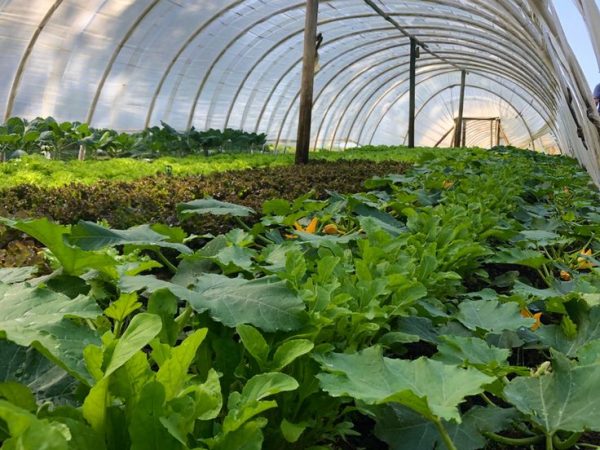

Modern agriculture is moving towards new methods with the aim of making optimal use of water, land and production inputs, and among them, hydroponic cultivation is considered one of the most advanced methods of greenhouse crop production. In this system, the plant grows without soil and meets all its nutritional needs through nutrient solutions. In hydroponics, success is completely dependent on careful nutrition management. Unlike soil cultivation, where the soil can compensate for nutritional fluctuations to some extent, in this method even the smallest error in the composition or concentration of nutrients can quickly affect the growth, yield and quality of the product.
For this reason, nutrient management in hydroponic greenhouses is considered one of the most key factors in the success of growers. In the following, the principles of plant nutrition in hydroponic systems, the role of nutrients, how to manage nutrient solutions, and methods for increasing productivity will be examined.
What is hydroponic cultivation?
Hydroponics is a method of plant production in which roots grow in an aqueous environment or in neutral media instead of soil; materials such as cocopeat, perlite, rockwool, lye, and vermiculite. In this system, all the nutrients the plant needs are provided to the roots in a water-soluble form, so the plant experiences more uniform growth conditions without the usual constraints of soil.
The importance of nutrition in hydroponic systems
In soil cultivation, soil is not just a place to store roots; it is also a natural reservoir for storing and regulating nutrients. But in hydroponics, this role is almost eliminated and the only source of nutrition is the nutrient solution. Therefore, any imbalance in the composition or concentration of elements can manifest itself very quickly and cause reduced growth, reduced product quality, nutrient deficiencies, reduced yield, and even increased plant susceptibility to diseases and environmental stresses. Therefore, nutrient management in hydroponics practically means direct management of plant growth, health, and performance.
Nutrients needed by plants in hydroponics
Plants require 17 essential elements for optimal growth, which are usually divided into two general categories: macro and micro elements.
Macronutrients
Nitrogen (N)
Nitrogen is the most important element in plant growth and plays a fundamental role in protein formation, chlorophyll synthesis, and increased leaf and stem growth. Its deficiency is usually accompanied by yellowing of leaves and a noticeable decrease in growth.
Phosphorus (P)
Phosphorus plays a major role in root development, energy transfer, flowering, and fruit formation, and is considered one of the key elements in the early stages of growth as well as the reproductive phase of the plant.
Potassium (K)
Potassium can be considered a product quality element. This element plays a role in regulating the plant's water balance, improving fruit quality, enhancing color and flavor, and increasing resistance to environmental stresses.
Calcium (Ca)
Calcium is essential for cell wall strength. Its deficiency can cause problems such as blossom end rot in tomatoes, leaf tip burn, and reduced crop quality.
Magnesium (Mg)
Magnesium is the central part of the chlorophyll molecule and plays a vital role in the photosynthesis process, so it is directly important in plant energy production.
Sulfur (S)
Sulfur plays a role in the production of amino acids and proteins and is essential for normal plant metabolism.
Trace elements (micro)
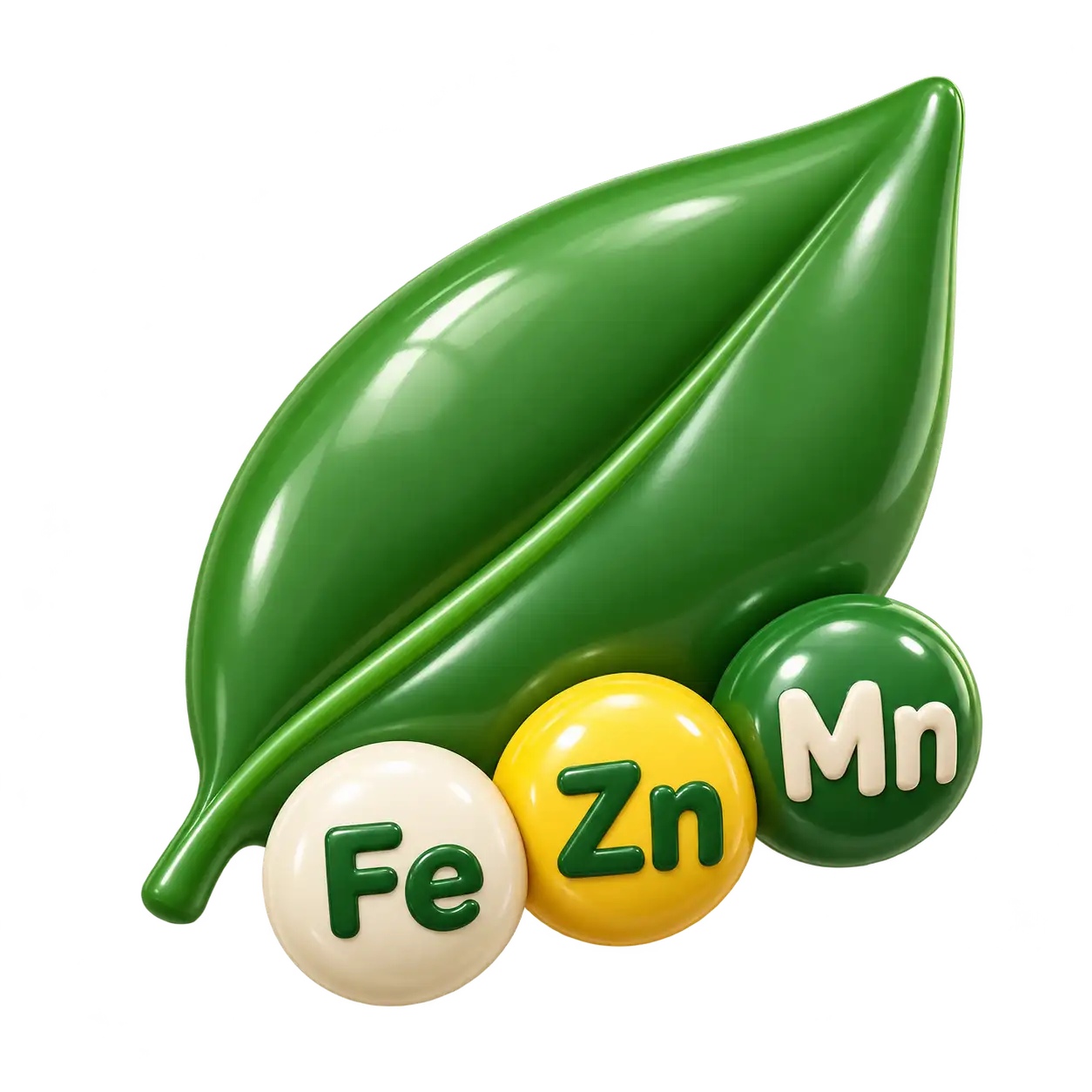
Micronutrients include iron (Fe), zinc (Zn), manganese (Mn), copper (Cu), boron (B), molybdenum (Mo), and chlorine (Cl). Although these elements are required by plants in very small amounts, they play very sensitive and key roles in growth and metabolic processes.
For this reason, even a slight deficiency can have serious effects on the plant, causing growth loss, reduced yield, and impaired product quality.
Summary
Hydroponic cultivation is one of the most advanced methods of greenhouse crop production, but success in this system depends more than anything on careful nutritional management. A balanced supply of nutrients, constant control of EC and pH, the use of high-quality fertilizers, and continuous monitoring of plant condition form the main foundations of a successful nutritional program.
Producers who approach plant nutrition with a scientific perspective and careful management will be able to significantly improve their greenhouse's yield, product quality, water consumption efficiency, and profitability in addition to increasing their yield. Pars Pooya Distribution Inputs, by providing specialized inputs and innovative plant nutrition solutions, is a reliable companion for greenhouse owners on the path to sustainable and economical production.